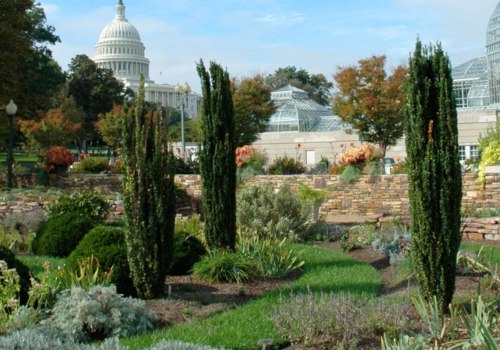
Botanical gardens and golf course landscapes share a unique harmony that blends natural beauty with thoughtful design. Both environments emphasize the careful cultivation of plants, the preservation of scenic views, and the creation of spaces where visitors can relax and enjoy nature. Botanical gardens are known for their diverse collections of flowers, trees, and ornamental plants that are arranged to highlight seasonal color and botanical variety. Similarly, golf courses often feature carefully maintained greens, native plants, and landscaped pathways that enhance the surrounding terrain. These spaces are designed not only for recreation but also for visual enjoyment, allowing visitors to appreciate the natural environment while exploring outdoor spaces that have been thoughtfully shaped by landscape architects and horticultural experts.
Landscape Design That Celebrates Nature
The design principles behind botanical gardens and golf courses often overlap in meaningful ways. Both types of landscapes rely on strategic plant placement, elevation changes, and natural elements to create visually appealing environments. Garden designers carefully select plants that thrive in specific climates while providing vibrant colors and textures throughout the year. Golf course architects take a similar approach by integrating native vegetation, trees, and natural features into the course layout. This thoughtful combination helps preserve the character of the land while creating a balanced environment where recreation and natural beauty coexist. Water features, stone pathways, and shaded seating areas are also commonly found in both botanical gardens and golf course landscapes, contributing to a sense of tranquility and connection with nature.
The Role of Native Plants and Sustainable Landscaping
Sustainability is another shared value between botanical gardens and modern golf course landscapes. Many botanical gardens focus on educating visitors about native plants and environmentally responsible gardening practices. Golf courses increasingly adopt similar approaches by incorporating drought-tolerant plants, efficient irrigation systems, and natural habitats that support local wildlife. These efforts help maintain healthy ecosystems while reducing the environmental impact of landscape maintenance. Native plants are especially valuable because they require less water and care while supporting pollinators and other beneficial species. By prioritizing sustainability, both botanical gardens and golf courses demonstrate how large outdoor spaces can remain vibrant while respecting the natural environment.
Scenic Destinations That Inspire Visitors
Many golf courses are designed with the same aesthetic care found in botanical gardens, creating spaces that inspire visitors through their beauty and atmosphere. One example is Redlands Mesa Golf Course, which showcases how golf course landscapes can harmonize with the surrounding terrain to create breathtaking views and natural elegance. Landscapes like these often feature dramatic elevation changes, native vegetation, and expansive greens that highlight the natural contours of the land. Visitors exploring such environments can appreciate the artistry behind the layout as well as the effort required to maintain these carefully balanced landscapes. Just like botanical gardens, these courses invite guests to slow down and enjoy the scenery while spending time outdoors.
Creating Spaces for Relaxation and Connection
Ultimately, the harmony between botanical gardens and golf course landscapes lies in their shared purpose of bringing people closer to nature. Both spaces provide environments where visitors can relax, reflect, and enjoy the beauty of carefully maintained outdoor settings. Walking through a botanical garden or strolling along the paths of a golf course offers an opportunity to appreciate plant life, fresh air, and scenic surroundings. These landscapes demonstrate how thoughtful design can transform open spaces into places that inspire creativity, relaxation, and appreciation for the natural world. By combining horticultural expertise with landscape architecture, botanical gardens and golf courses continue to create outdoor environments that enrich the experiences of everyone who visits them.